Elastomeric Roof Coatings: A Complete Guide
Most roofs do not fail overnight. They age. The sun bakes the surface, rain finds a hairline crack, the roof expands in…
Read guide

The clock is ticking. Federal energy efficiency tax credits worth up to $1,200 per year — including major savings for spray foam insulation — are generating unprecedented buzz across the country in 2025 as homeowners scramble to lock in savings before potential policy changes. If you’ve been on the fence about upgrading your home’s insulation, this is the year to act.
Under the Inflation Reduction Act (IRA), homeowners can claim a federal tax credit of up to 30% of the cost of qualifying energy-efficient home improvements, capped at $1,200 per year. Spray polyurethane foam (SPF) insulation that meets or exceeds the ENERGY STAR program requirements qualifies for this credit under the 25C Energy Efficient Home Improvement Credit.
This isn’t a deduction — it’s a dollar-for-dollar reduction in your federal tax bill. On a $6,000 spray foam insulation project, that’s potentially $1,200 back in your pocket when you file your taxes.
Not all insulation is created equal. Traditional fiberglass batts leave thermal bridges and air gaps that bleed energy year-round. Spray polyurethane foam — both open-cell and closed-cell varieties — expands to seal every crack and void, creating a continuous air barrier that no other insulation type can match.
According to the Spray Polyurethane Foam Alliance (SPFA), buildings account for nearly 40% of total U.S. energy consumption. Spray foam’s superior air-sealing properties make it the single most effective upgrade most homeowners can make.
In late 2024 and into 2025, the spray foam insulation tax credit became a hot topic across personal finance communities, home improvement subreddits, and contractor forums. Here’s why:
1. Energy costs hit record highs. The U.S. Energy Information Administration (EIA) reported residential energy prices climbing significantly in 2024, pushing more homeowners to seek permanent solutions rather than Band-Aid fixes. Spray foam insulation became the go-to answer.
2. Companies began marketing the credit heavily. Multiple contractors and insulation suppliers launched major campaigns around the 25C credit, with outlets like Consumer Reports publishing guides on how to maximize energy tax credits before they expire or get modified.
3. Mortgage complications spotlighted the issue. The UK’s House of Commons Library published a widely-shared report on spray foam insulation and mortgages, highlighting how retrofitted spray foam can affect home appraisals — spurring homeowners globally to research proper installation standards and certified applicators.
4. Growing DIY interest. DIY spray foam kit sales surged as energy-conscious homeowners looked to self-apply in small areas. However, experts at SPFA and industry insiders warn that professional application is critical for achieving the air seal quality necessary for both tax credit eligibility and optimal performance.
To claim the spray foam insulation tax credit, you need to meet several requirements. Here’s a straightforward checklist:
Both open-cell and closed-cell spray foam can qualify for the tax credit, but they serve different purposes and perform differently in various applications. Understanding the difference is key to choosing the right product for your project.
| Feature | Open-Cell Foam | Closed-Cell Foam |
|---|---|---|
| R-Value per inch | ~3.5–3.7 | ~6.0–6.5 |
| Air Barrier | Yes | Yes |
| Vapor Barrier | No | Yes (≥2 inches) |
| Moisture Resistance | Low | High |
| Best For | Interior walls, attics, soundproofing | Crawlspaces, exterior walls, rooflines |
| Cost | Lower | Higher |
| Structural Support | Minimal | Significant |
For maximum energy savings and the best chance of fully qualifying for the spray foam insulation tax credit, closed-cell foam installed in the building envelope (walls, roof deck, and foundation) by a certified spray foam contractor is typically the most impactful choice.
One of the most common objections to spray foam is cost. It’s true — spray foam costs more upfront than fiberglass or cellulose. But when you factor in the tax credit, energy savings, and long product lifespan, the return on investment is exceptional.
Typical costs for spray foam insulation (2025 estimates):
With a 30% tax credit (up to $1,200/year), many homeowners effectively reduce their net cost significantly. Add annual energy savings of $300–$600 and the math gets very compelling — most spray foam projects pay for themselves within 5–8 years, with foam that lasts 80+ years.
While spray foam insulation gets much of the homeowner attention, the professional coatings industry is simultaneously experiencing a revolution driven by polyurea spray coatings — a technology that shares spray application equipment and expertise with foam contractors.
Polyurea coatings cure in seconds, bond to virtually any substrate, and offer unmatched abrasion, chemical, and impact resistance. They’re being deployed in applications ranging from industrial tank linings and bridge deck waterproofing to truck bed liners and military blast mitigation — ArmorThane recently announced global polyurea blast mitigation contracts across 8 countries, underscoring just how far this technology has advanced.
For contractors and property owners alike, understanding both spray foam insulation and protective coatings technologies opens the door to a comprehensive suite of building solutions. Resources like Spray Foam Magazine and the Polyurea Development Association (PDA) are excellent industry references for staying current on equipment, techniques, and standards.
Finding the right contractor is critical — both for quality results and for ensuring your project qualifies for the tax credit. Here’s how to vet a professional spray foam applicator:
Yes — the IRS does not require professional installation to claim the 25C credit. However, DIY kits cover small areas and may not achieve the air sealing performance needed for significant energy savings. The tax credit is based on material costs, not labor, so you can claim the qualifying foam product cost regardless of who installs it.
Yes. The 25C credit resets annually, up to $1,200 per year for home improvement credits. If you have a large home with multiple areas to insulate, you can potentially spread projects across multiple years and claim the credit each time.
Properly installed spray foam by a certified applicator typically adds to home value by reducing energy costs and improving comfort. However, improperly applied spray foam — particularly in attics where it was sprayed directly onto roof sheathing without proper venting calculations — has caused issues in some UK mortgage markets. In the U.S., the key is working with certified professionals and ensuring the installation complies with local building codes.
Once cured, spray polyurethane foam is inert and completely safe. During application, the two-component chemistry involves isocyanates which require proper PPE and ventilation — one reason professional application is strongly recommended. After curing (typically 24 hours), occupants can safely return. The EPA provides guidance on spray foam safety for both contractors and homeowners.
The spray foam insulation tax credit under the Inflation Reduction Act is one of the most generous home improvement incentives in decades. With energy costs high, home comfort concerns growing, and the spray foam industry expanding rapidly, 2025 is the ideal year to make the upgrade.
Whether you’re a homeowner looking to cut energy bills, a contractor seeking to educate clients, or a building professional exploring spray foam and polyurea coating applications, the opportunity is clear: spray foam insulation delivers superior performance, significant financial incentives, and lasting results.
For more expert information on spray foam applications, polyurea coatings, concrete lifting, protective coatings, and the equipment needed to get started, explore the resources available right here at Seal All Coatings — your trusted source for everything in the professional spray applications industry.
Sources & Further Reading: IRS — Energy Efficient Home Improvement Credit | ENERGY STAR — Federal Tax Credits for Insulation | U.S. Department of Energy — Insulation | Spray Polyurethane Foam Alliance | U.S. Energy Information Administration
Get a free, no-obligation quote from a seal coating specialist — it takes about a minute.
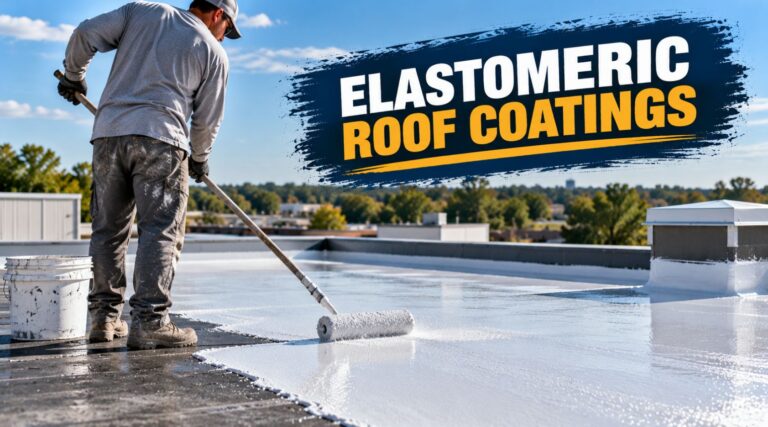
Most roofs do not fail overnight. They age. The sun bakes the surface, rain finds a hairline crack, the roof expands in…
Read guide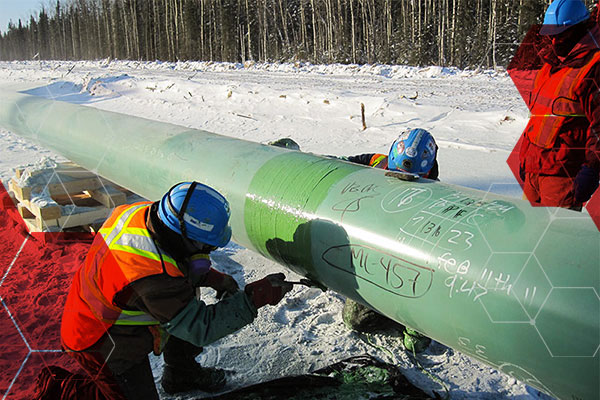
Sealant coatings play a crucial role in protecting surfaces from damage. These coatings provide a barrier that prevents water, chemicals, and other…
Read guideGet a free quote in about a minute — or find out what it takes to start spraying seal coatings yourself.